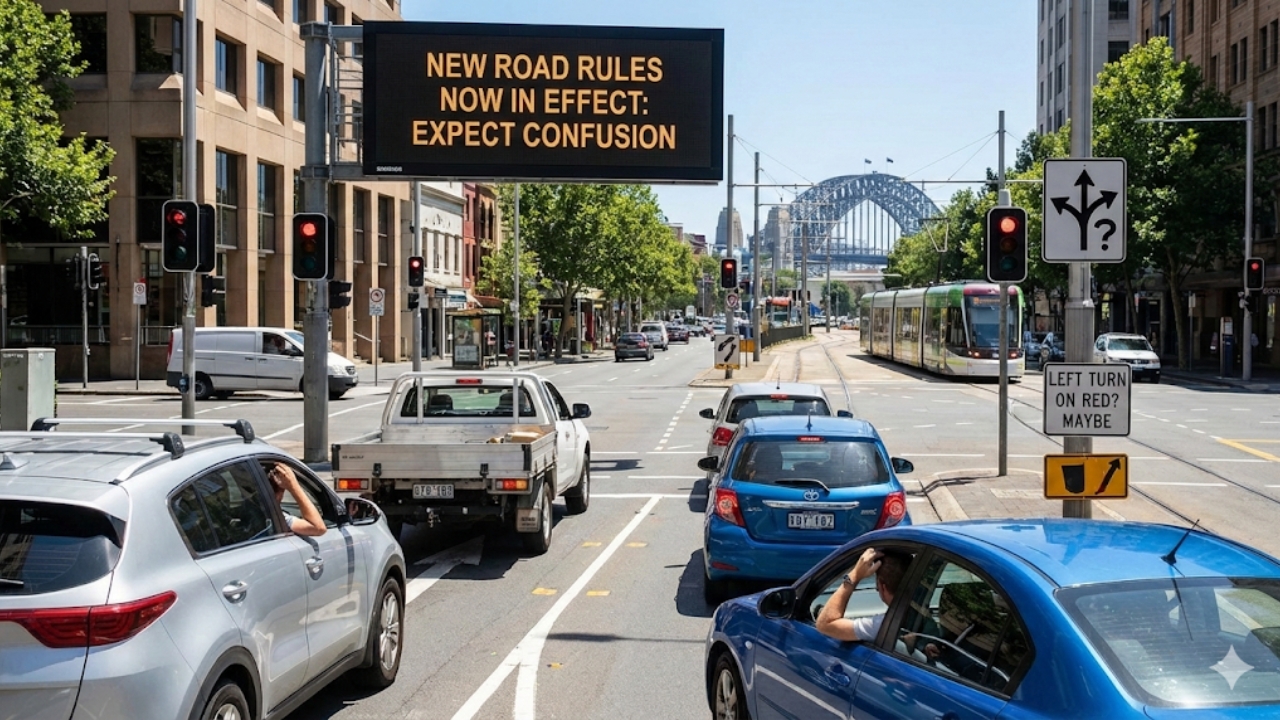
Australia’s vast road network has always demanded sharp attention from drivers, but the fresh wave of regulations hitting in 2026 is leaving many scratching their heads. From bustling city streets to remote outback tracks, changes aim to cut crashes and protect vulnerable road users. Motorists report confusion over varying state rules and hefty fines, sparking debates on enforcement fairness. These updates build on national safety strategies, yet everyday drivers feel caught off guard by the rapid rollout.
Speed Limit Shifts in Urban Zones
Lower speed zones now blanket school areas and pedestrian hotspots nationwide. Queensland and Victoria lead with widespread drops to 30 or 40 km/h on residential roads previously capped at 50 km/h. South Australia enforces strict 25 km/h school limits during peak hours, while time-based signs demand extra vigilance. Data shows survival rates for pedestrians jump dramatically below 40 km/h, justifying the shift. Drivers must scan for new signs, as overlooking them risks steep penalties.
Expanded Emergency Vehicle Rules
Gone are the days when only police and ambulances triggered slowdowns. Tow trucks, roadside assistance vans, and even garbage vehicles with flashing lights now qualify across most states. Motorists must ease to 40 km/h—or 25 km/h in South Australia—when passing these on any road, including highways. This broadens protections for roadside workers, but freeways pose tricky spots for compliance. Fines top $900 plus demerit points, amplifying the stakes.
| Violation Type | Fine Amount | Demerit Points | Key Change Note |
|---|---|---|---|
| School Zone Speeding | $1,100+ | 5-7 | Focus on 30 km/h zones |
| Passing Emergency/Tow Vehicles | $961 | 3 | Slow to 40 km/h (25 km/h SA) |
| Running Red Light | $600-$900 | 3 | More red-light cameras |
Tech-Driven Enforcement Ramps Up
AI cameras in the ACT now hunt seatbelt slip-ups automatically, with enforcement live since late 2025. Victoria tweaks fine payment timelines under new regulations, easing defaults but tightening oversight. Red-light camera networks expand everywhere, catching more offenders. Rural roads face default speed cuts and unsealed track limits to slash remote crashes. These tools promise data-backed safety, yet drivers gripe about “nanny state” surveillance.
Older Driver License Checks Tighten
By early 2026, Western Australia and the Northern Territory finalize mandatory health-based renewals for seniors. No more automatic extensions—all face assessments on vision, reflexes, and capability. This nationwide push targets age-related risks without banning older motorists outright. States harmonize under the Australian Road Rules, but local twists persist. Preparation involves medical checkups well ahead of expiry dates.
Rural and Remote Road Overhauls
Outback drivers encounter the biggest shake-up, with lower defaults on unmarked rural stretches. Unsealed gravel roads get specific caps to curb deadly skids. The National Road Safety Action Plan drives this, projecting lives saved through moderated speeds. Regional communities adapt slowly, balancing access with caution. Public feedback shaped tweaks, though full rollout stirs mixed reactions from long-haul truckers.
Mobile Phones and Shared Spaces
Crackdowns intensify on handheld device use, with national standards aligning penalties. E-bikes, scooters, and pedestrians claim clearer priority in mixed zones. Cyclists gain buffers on urban roads, forcing car drivers to yield wider berths. These rules foster coexistence amid rising micro-mobility. Confusion arises from overlapping bike lanes and footpaths, urging refresher courses for all.
Driver Adaptation Challenges
Puzzlement stems partly from state variations and online misinformation floods. Fake sites peddle bogus rules, prompting official warnings to check transport departments. Fines hit harder, but education campaigns lag rollout speed. Apps and signage help, yet habits die hard. Safer roads demand patience as Australia fine-tunes this safety net.
FAQs
Q: When do most 2026 rules start?
A: Early 2026, with some like AI cameras already active.
Q: Do fines differ by state?
A: Yes, but national baselines apply; check local transport sites.
Q: How to stay updated?
A: Visit state road authority websites regularly.
Disclaimer
The content is intended for informational purposes only. You can check the official sources; our aim is to provide accurate information to all users.